Man and van in Brompton

Brompton Man And Van provides a practical man and van service in Brompton for households and businesses that need items moved with care, sensible planning and straightforward handling. The service is suited to smaller removals, furniture transport, collection and delivery work, and general moving support where a full-size removal team is not necessary. It is built around the simple aim of getting belongings from one place to another in a way that feels organised, careful and manageable.
Our work can suit single-item moves, partial house moves, flat clearances, student moves and local transport jobs that need flexibility rather than a fixed large vehicle arrangement. For customers comparing options, the useful question is usually not how much can be moved in one go, but what needs to be lifted, how it is packed, and whether access at each end is straightforward. Removals support can cover those situations with a service that stays focused on the actual job.
If you are planning a move in the Brompton area, use the information below to understand the kinds of work available and how to request a quotation. You can also ask for help with a one-off collection, a local drop-off, or a move that combines boxes, furniture and a few awkward items. For a first step, tell us what needs moving and where it needs to go, then ask for a quote in plain terms.
House and flat moving support

Domestic moves are often best handled by a man and van when the load is modest but still needs proper care. That can include furniture from a studio or one-bedroom property, boxes from a larger home, or a move where only selected rooms are being transferred. We can help with straightforward carrying and transport, making it easier to complete a move without arranging more vehicle space than you actually need. Home moves are a natural fit when the job is based around domestic belongings and access on both sides is reasonably planned.
Different homes create different moving patterns. Some customers want a single sofa, bed frame or appliance moved; others need a more rounded service for boxed contents and dismantled furniture. The main value of a man and van arrangement is flexibility, because the move can be shaped around the items rather than forcing the items to fit a rigid process. Where the move is specifically for domestic furniture and household goods, house removals gives a more direct route to that kind of work.
For best results, prepare a simple list of what is being moved, note any stairs, narrow hallways or parking issues, and mention whether pieces need dismantling before transport. That is usually enough to let the quotation reflect the real job. If items are unusually heavy, awkward or fragile, say so early; it helps us judge the handling required and avoid surprises on the day. Clear details produce clearer quotations, especially for mixed household loads.
Smaller removals and single-item transport

Not every move is a full property relocation. Many customers only need a handful of pieces shifted, and that is where a compact man and van service is especially useful. A smaller load may still need blankets, lifting care and sensible loading order, particularly if there are several heavy items or delicate surfaces. The right approach keeps the job efficient without reducing attention to detail. Man and van removals is a relevant option when the transport job sits between a courier delivery and a full removal service.
Common examples include sofas, wardrobes, tables, chest of drawers, white goods and grouped boxes that need to travel together. A vehicle-based move like this is also useful when furniture has to be collected from a seller, delivered to storage, or taken between addresses on the same day. Because the work is based on practical handling rather than formal packing schedules, it can be adapted to mixed loads as well as simpler transfers. Furniture pick-up can be helpful where the main need is collection and delivery of individual items.
When requesting a price, it helps to say whether the items are ready to lift as they stand or whether they need to be dismantled first. Include dimensions if you know them, and explain whether the route involves lifts, long carries or tight stairs. If you are moving one large piece rather than a whole load, mention any surface protection concerns or access restrictions. Useful quotations depend on honest item descriptions, not on guesswork about what might fit.
Commercial moves and office relocation

Business customers often need transport that is simpler than a full-scale relocation but still reliable enough for desks, chairs, files, small equipment and boxed stock. A man and van can suit that kind of commercial move when timing, access and item handling all need to be considered together. For straightforward business relocations, Commercial moves provides a useful page for understanding this side of the service.
Office work can involve more than simply moving furniture from one address to another. IT equipment, archived paperwork, compact storage units and reception fittings may all need to be kept separate or loaded in a particular order. That means the service should be planned around what needs protection, what can be stacked, and what must remain accessible at unloading. If your requirement is a workplace move rather than a domestic one, Office removals is the more specific destination for that subject.
Commercial jobs benefit from advance notice of access conditions, lift use, loading bay availability and any restriction on vehicle parking. If a move must happen around trading hours or after a closure, say so when asking for a quotation so the plan reflects the timing properly. It is also sensible to identify anything confidential, fragile or unusually heavy. Good commercial planning is about sequence as much as vehicle capacity, and that keeps the work practical from start to finish.
Packing help and careful loading
Some customers want transport only, while others need help getting belongings ready before they go on the vehicle. Packing can be as simple as supplying sturdy boxes and wrapping breakables, or as involved as organising mixed household contents so they can be loaded and unloaded in a sensible order. Where this support is needed, packing and unpacking services offers a clearer description of that side of the work.
Careful loading matters because a van journey is only part of the move. Items need to be protected against rubbing, tipping and pressure from other pieces in the load. That usually means grouping heavier belongings first, separating fragile items, and keeping loose parts together with the furniture they belong to. Packing assistance is especially helpful when a move includes ornaments, kitchen items, books or a mix of shapes and weights that would otherwise be awkward to manage.
Before requesting a quotation, think about whether the job is transport only or whether wrapping, box supply or unpacking support is also needed. If you already have boxes, say how many are filled and whether anything remains unboxed. If not, mention the scale of the packing work so the plan can allow for it. This kind of detail helps the move run smoothly without creating unnecessary delay at collection or delivery.
About Brompton

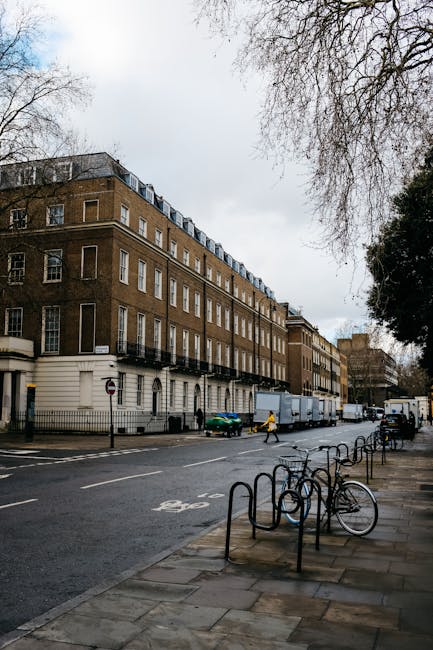
Brompton is a district in west London most closely associated with the Royal Borough of Kensington and Chelsea, sitting between more widely known neighbours such as South Kensington, Knightsbridge and Chelsea. The area is shaped by a long urban history that can still be read in its streets, terraces and civic buildings, where late Georgian and Victorian development sits alongside later institutional and residential growth. Brompton Road remains one of the best-known thoroughfares linked with the district, carrying a mix of commercial activity, transport routes and landmark destinations. The neighbourhood’s character is also influenced by nearby museum quarter streets and by the broad sweep of land north of the Brompton Cemetery. That cemetery itself, opened in 1840 as part of the London burial reform movement, is one of the most notable historic open spaces in the area, with tree-lined avenues, memorial architecture and a layout that gives a strong sense of ordered nineteenth-century design. The district also lies within easy reach of major cultural institutions around Exhibition Road, including the Victoria and Albert Museum and the Natural History Museum, which have helped define the wider identity of the place. Green space is more limited than in outer London districts, so the presence of cemetery grounds, small squares and nearby gardens matters in the local landscape. Brompton therefore combines dense urban streets with pockets of historic calm, and its built environment reflects both its long-established residential role and its connection to central London’s wider cultural geography.
Vehicle options and the right move size
Choosing the right vehicle approach is one of the most important parts of arranging a man and van job. A load that is neatly stacked and modest in size may be completed efficiently with a compact van, while bulkier furniture or a larger household transfer may need more space and careful loading order. The aim is not to book the biggest vehicle available, but to match the transport to the actual volume and shape of the items. Moving van is a useful page when the main focus is the transport vehicle itself.
Some customers need a straightforward lift-and-load arrangement with minimal handling, while others need help planning how each item will fit. Sofas, wardrobes, tables and boxed belongings can often be combined sensibly if the order is considered in advance. A move may also need the van to make more than one stop, particularly if furniture is being collected from storage or if items are split across different addresses. In those cases, coordination matters as much as capacity.
If you are unsure what size of job you have, describe the furniture style, the number of boxes and any items that cannot be stacked. Mention whether the move is all on one floor or whether stairs and lifts are involved. That way the quotation can reflect the actual scale of the work rather than a rough estimate based only on guesswork. A well-matched vehicle keeps the move efficient and makes loading simpler for everyone involved.
Pricing factors and quotation details
People often want a quote quickly, but a useful quotation is usually built from practical details rather than a single headline number. The main factors are the amount of furniture or boxes, the distance between collection and delivery, access at both ends, and whether any lifting, dismantling or waiting time is involved. Where the move is simple, a price can be comparatively straightforward; where the job includes multiple stops or difficult access, the quotation needs to reflect that.
It is also helpful to distinguish between a standard transport request and anything that requires extra handling. For example, a move that includes heavy appliances, fragile items, long carry distances or awkward loading arrangements may need more time and planning. That is why a short written description of the job is usually better than a vague request. If you are comparing removal options, Pricing and quotes is the page to check for a clearer sense of how quotations are approached.
To keep the process simple, have the collection and delivery postcodes ready, note the floors involved, and list any pieces that need special attention. If you can mention parking restrictions or building access rules at the same time, so much the better. A clear quotation is easier to prepare when the moving picture is complete from the start, and it helps avoid unnecessary back-and-forth before the job is confirmed.
Care, safety and responsible moving
Any moving job benefits from a careful approach to lifting, stacking and transport. Household items can be difficult to carry safely when they are oddly shaped, too heavy for one person, or vulnerable to knocks and pressure. A sensible man and van service should therefore treat loading as a methodical task rather than a rush to fill space. Insurance and safety is relevant when customers want to understand the precautions and protective approach used for transport work.
Responsible moving also means thinking about the order in which items enter and leave the van. Heavier pieces usually sit lower, lighter or more fragile items may need separation, and loose fittings should be kept with the correct furniture. Where dismantling is needed, the parts should be gathered together clearly so they can be reassembled without delay. Even a relatively small job can become awkward if the handling sequence is ignored, so care is a practical necessity rather than a bonus.
Customers can help by identifying any items that are especially delicate, valuable or difficult to carry. That includes mirrors, glass-top furniture, appliance units and pieces with unusual finishes. If you need extra attention on any part of the move, say so in the enquiry rather than assuming it will be obvious from the item list. A calm, orderly approach gives the move its best chance of being completed without unnecessary stress.
Getting ready to request a quotation
When you are ready to ask for a price, keep the request practical and specific. A short inventory, the addresses involved and any access notes are usually enough for an initial quotation. If the move involves a combination of furniture, boxes and other items, group them in a simple list so the scale is easy to understand. Where relevant, mention whether the items are already packed or whether the job includes wrapping and preparation.
For smoother planning, it also helps to say if you need collection from storage, a seller, a rental property or a workplace. Those situations can have different access patterns and may affect loading time. If you need extra support beyond transport, such as unpacking or disassembly, make that clear at the outset. You can also review contact us when you are ready to send the details and request a quotation for the move.
Tell us what needs moving, where it is going and when you hope to do it; that is the simplest way to start. From there, the service can be matched to the job rather than forced into a fixed template. If you have a small domestic move, a business transfer or a single-item collection in Brompton, a concise enquiry is the best route to an appropriate response.